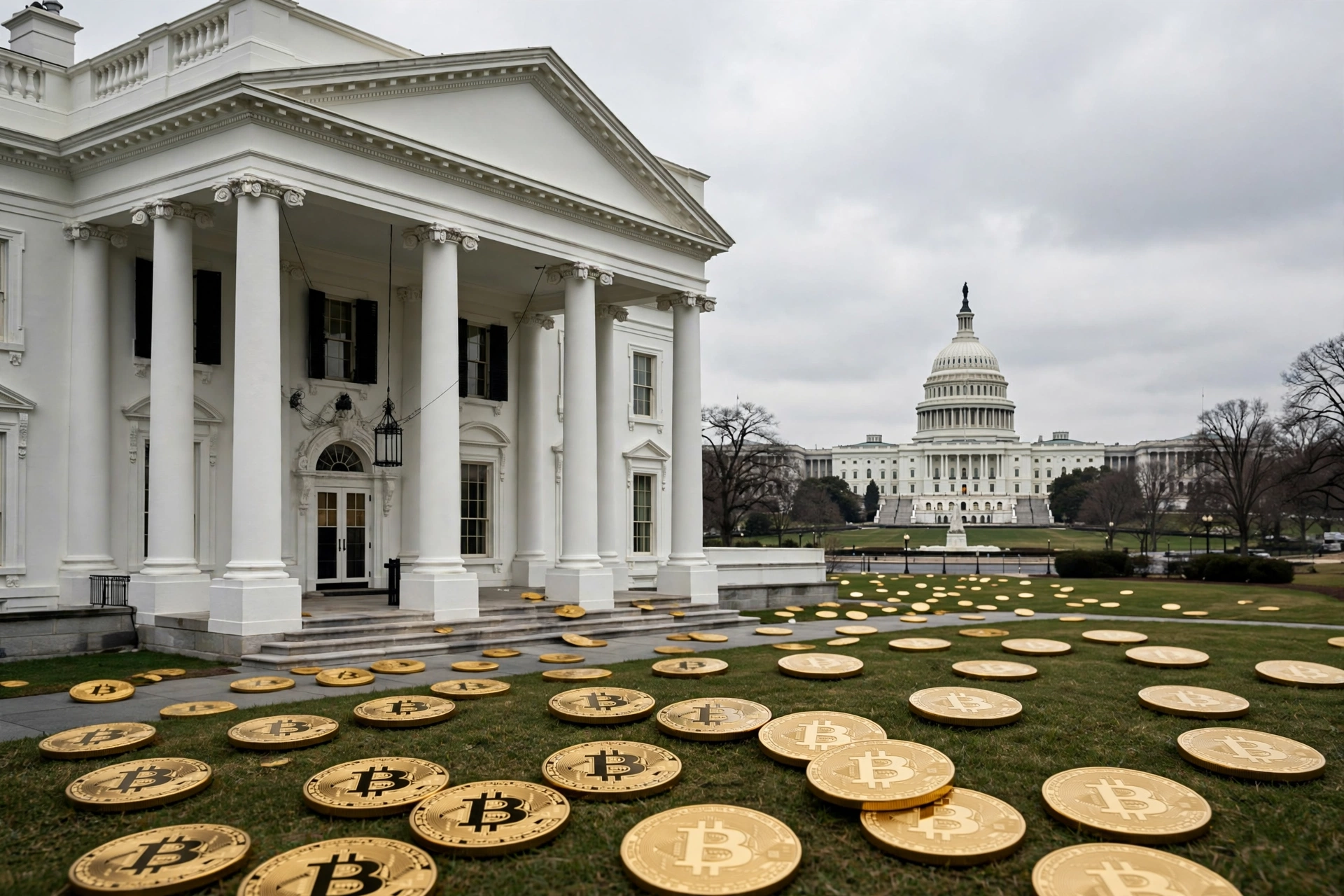
The strangest transformation in modern finance is complete enough to have a ticker symbol. Bitcoin — born as a rebellion against the financial system — now sits inside pension portfolios and brokerage accounts worldwide, wrapped in exchange-traded funds run by the largest asset managers on Earth. Market coverage by Reuters treats its flows like any other asset class: in, out, and argued about by strategists.
The ETF wrapper changed the buyer. Where crypto once required exchanges, wallets and a tolerance for chaos, it now arrives through the same account as an index fund, with the same statements and tax forms. For institutions that were barred by compliance from touching the raw asset, the door is open — and they have walked through it in size.
Flows Are the New Fundamentals
Bitcoin has no earnings, no dividend and no central bank, so its price has always run on narrative and liquidity. The ETFs gave that liquidity a measurable daily gauge: creations and redemptions that analysts quote like vital signs. Sustained inflows have coincided with the asset’s climbs; the funds’ holders, in aggregate, are now a structural bid.
The buyer mix matters. Alongside retail investors sit registered advisers allocating a cautious one or two per cent, corporate treasuries copying the early adopters, and hedge funds running basis trades between the funds and futures markets. Each constituency behaves differently in a panic — the mix will be tested eventually, as all mixes are.
Volatility’s Strange Half-Life
Conventional wisdom said institutions would calm bitcoin. The evidence is mixed: drawdowns remain violent by equity standards, yet the asset’s volatility has trended down across successive cycles as its market deepened. The ETFs themselves cut both ways — they add steady hands, and they add a same-day exit door that did not exist when selling meant an exchange queue.
What has certainly changed is correlation’s conversation. Bitcoin trades increasingly like a high-beta technology asset in risk-off moments and like digital gold in its holders’ telling. Both cannot be wholly true; the market will keep running the experiment until one story wins.
The Regulatory Settlement
The funds exist because regulators, after years of refusal, accepted that futures-based oversight and exchange surveillance were adequate. That settlement has since broadened — to ethereum products, to options on the funds, and to friendlier banking guidance for crypto custody. Each step lowers the compliance temperature for the next.
None of it erases the standing warnings. Regulators continue to flag concentration, conflicts among the big crypto conglomerates, and the plain fact that a volatile asset can halve. The settlement is permission, not endorsement — a distinction the marketing materials sometimes blur.
The corporate treasury trend is the sleeper story. Following a handful of pioneers, listed companies in several countries now hold bitcoin on their balance sheets as a reserve asset, funded sometimes by issuing shares or convertibles — a strategy that imports the asset’s volatility directly into their stock prices, by design.
What the Revolution Became
The cypherpunks imagined bitcoin replacing the financial system. Instead, the financial system absorbed bitcoin — regulated it, wrapped it, and charges a small fee for the service. Whether that is defeat or victory depends on which promise you valued: the technology of bearer digital scarcity has triumphed; the politics remain gloriously unresolved.
For the ordinary investor, the practical residue is simpler. Crypto is now an allocation decision, to be sized with the same discipline as any volatile asset — small enough to survive its winters, boring enough to hold in a pension. The revolution, it turns out, files quarterly reports.
Bitcoin’s ETF era will not be its last transformation. But the image of the world’s largest asset managers queueing to hold a protest asset in custody may be the definitive photograph of this financial age: the establishment and the insurgency, merged at last, for twenty basis points a year.
Read more in our Blog section, and follow the day’s coverage on our homepage.