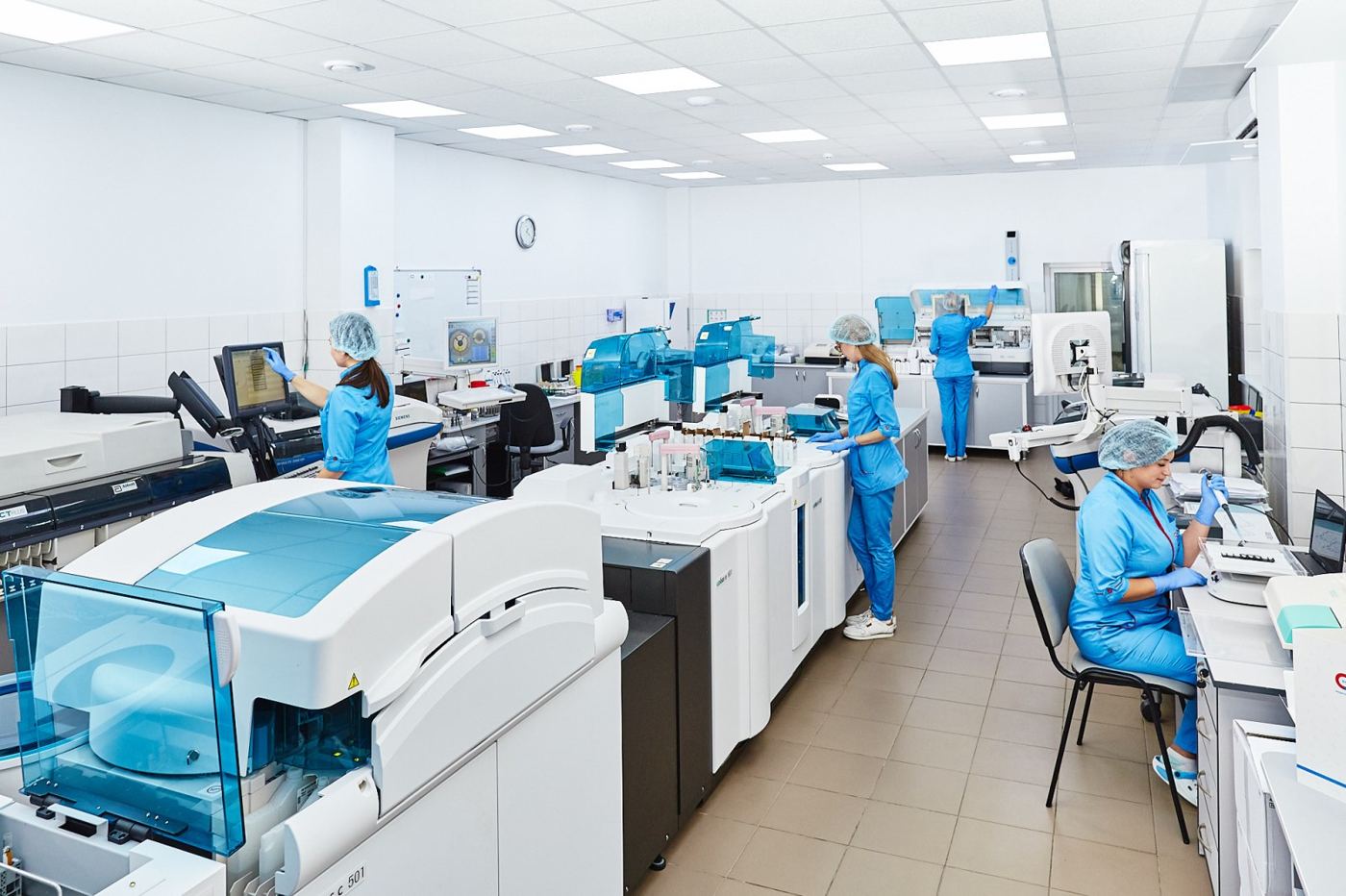
Inside every human gut lives a community of trillions of microbes, bacteria, viruses and fungi that outnumber the body’s own cells. This gut microbiome helps digest food, produces vitamins, trains the immune system and communicates with the brain through nerves, hormones and immune signals, a connection scientists call the gut-brain axis. Research took off with the Human Microbiome Project, launched by the United States National Institutes of Health in 2007, which mapped the microbes living in and on healthy people and showed that each person’s microbial community is nearly as distinctive as a fingerprint. The field moved from theory to medicine when faecal microbiota transplants, transferring gut microbes from a healthy donor to a patient, proved remarkably effective against recurrent Clostridioides difficile infection, leading regulators to approve the first standardised products, Rebyota in 2022 and Vowst in 2023.
What the Evidence Shows
The excitement has sometimes outrun the evidence. Studies have linked differences in gut microbes to obesity, depression, Parkinson’s disease and autism, but most of these links are associations, and it is often unclear whether the microbes cause the condition or the condition changes the microbes. Probiotic supplements, a large and growing market, have weak evidence for most claims, and the microbes they contain often fail to colonise the gut at all. What is well established is simpler: a varied diet rich in fibre feeds a diverse microbiome, antibiotics can disrupt it for months, and the microbiome of each person is highly individual. The realistic promise is not a miracle cure but a new layer of medicine, in which a person’s microbes help doctors choose treatments, predict drug responses and prevent disease, one careful study at a time. Reporting and analysis from sources such as National Science Foundation track the same developments, and specialists following gut microbiome say the direction is now consistent across independent lines of evidence.
The Wider Context
The wider context is a research landscape in which replication and open data now decide reputations. Findings connected to gut microbiome are being checked by independent groups with shared datasets, and the teams involved publish their methods in full so rivals can test every step. That discipline is slower than a headline cycle, but it is why results in this area increasingly survive first contact with scrutiny.
What Happens Next
What happens next in the story of gut microbiome will be decided by follow-up work already under way: larger samples, longer observation and instruments that have not yet come online. The researchers involved are unusually united on one point, that the current results justify the next investment of time and money. Readers will not have to wait long for the first tests of that claim. You can follow related developments in our coverage of science.
There is a practical lesson in all of this for readers deciding what to do today. Start with the verified facts, be wary of anyone promising certainty, and prefer reversible steps while the evidence is still developing. Circumstances differ by country, income and personal situation, so general guidance should always be weighed against your own context before you act on it in any significant or lasting way.