Scientists have delivered new projections of how much Antarctica will add to sea-level rise this century, work that will shape the next global estimate from the Intergovernmental Panel on Climate Change. An international team led by Australian scientists, headed by Dr Chen Zhao of the University of Tasmania, has submitted a collection of Antarctic ice-sheet simulations to ISMIP7, the project that gathers ice-sheet projections for the IPCC’s Seventh Assessment Report. The simulations were run on supercomputers in Australia and Finland, Setonix in Perth and LUMI in Finland, and they test how different climate scenarios and melting processes change Antarctica’s contribution to sea level. The work was presented as governments gathered for COP31, the United Nations climate conference in Antalya, Türkiye, from 9 to 20 November 2026. Australia is leading negotiations at the summit.
What the Evidence Shows
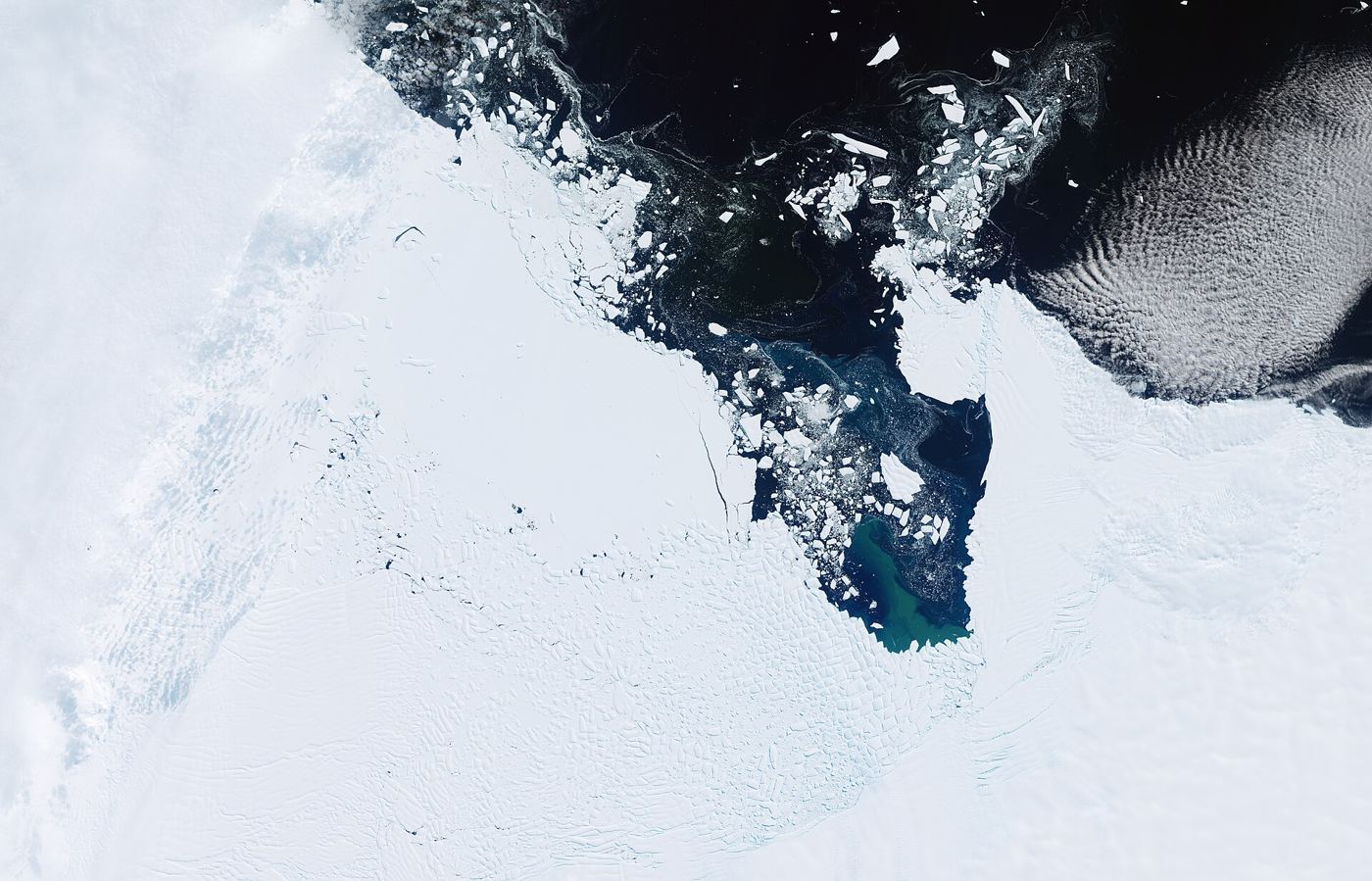
The floating ice shelves that fringe Antarctica hold back the grounded ice behind them, and warm ocean water melts the shelves from below. As the shelves thin, the ice behind them flows faster into the sea, raising sea levels around the world. Models differ in how they calculate that melting, and the Australian simulations were designed to show how much the choice of melt physics matters for the whole continent, in unprecedented detail. Australian scientists also warned at COP31 that even a small, brief overshoot of the 1.5-degree warming limit raises the risk of irreversible losses from the Antarctic ice sheet, with multi-metre sea-level rise that would exceed the average elevation of some Pacific island nations. The full results will be published with the other ISMIP7 groups in the coming year, in time for the IPCC’s Seventh Assessment Report. Reporting and analysis from sources such as National Science Foundation track the same developments, and specialists following Antarctic ice-sheet projections say the direction is now consistent across independent lines of evidence.
The Wider Context
The wider context is a research landscape in which replication and open data now decide reputations. Findings connected to Antarctic ice-sheet projections are being checked by independent groups with shared datasets, and the teams involved publish their methods in full so rivals can test every step. That discipline is slower than a headline cycle, but it is why results in this area increasingly survive first contact with scrutiny.
What Happens Next
What happens next in the story of Antarctic ice-sheet projections will be decided by follow-up work already under way: larger samples, longer observation and instruments that have not yet come online. The researchers involved are unusually united on one point, that the current results justify the next investment of time and money. Readers will not have to wait long for the first tests of that claim. You can follow related developments in our coverage of science.
There is a practical lesson in all of this for readers deciding what to do today. Start with the verified facts, be wary of anyone promising certainty, and prefer reversible steps while the evidence is still developing. Circumstances differ by country, income and personal situation, so general guidance should always be weighed against your own context before you act on it in any significant or lasting way.