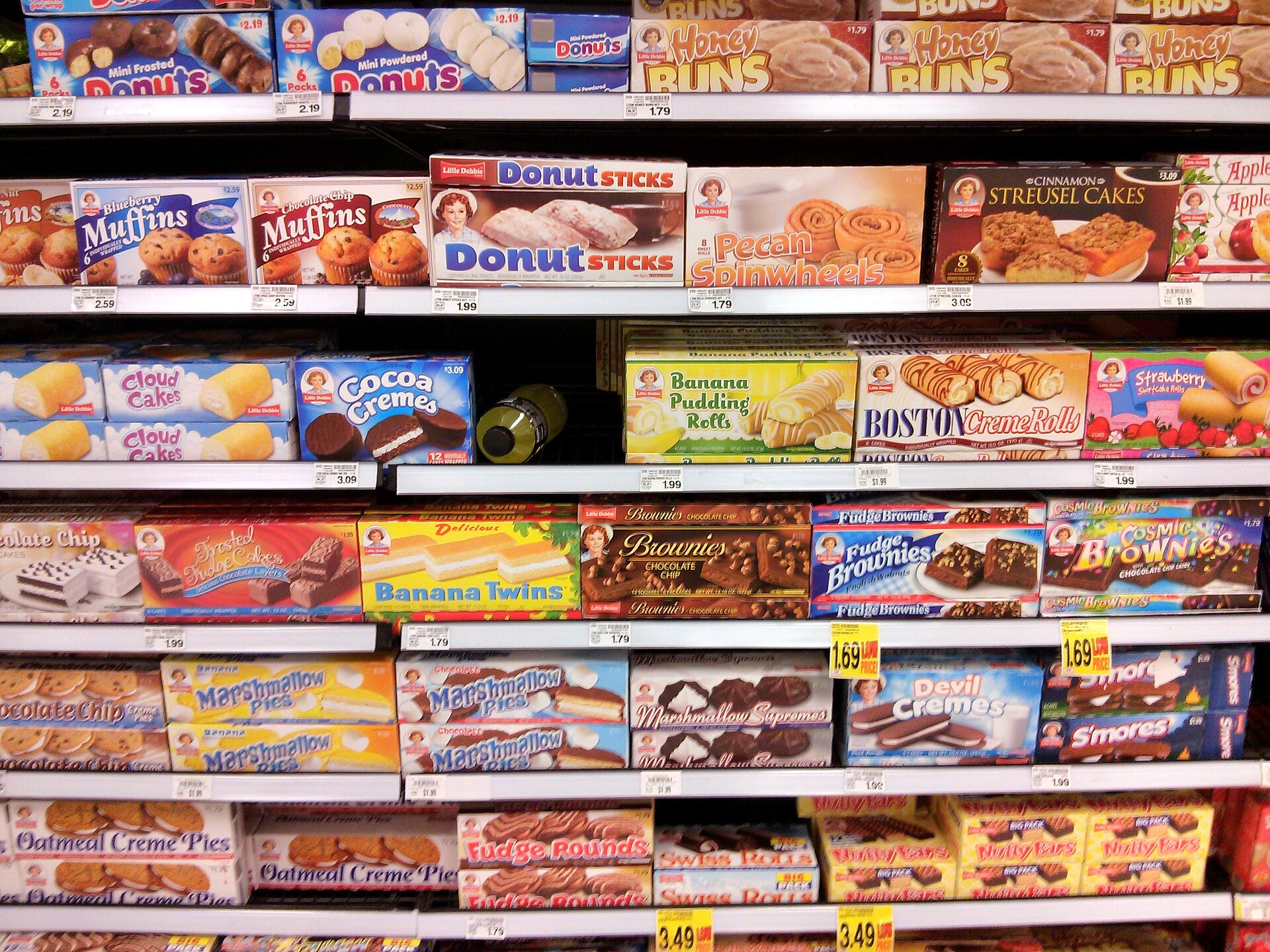
Nine in ten research papers that dispute the definition of ultra-processed foods have ties to the food industry, according to a new study that examined how the scientific debate around the term has been funded and authored. The finding does not settle what shoppers should eat, but it does sharpen questions about who shapes the arguments that reach policymakers and the public.
The debate centres on classification. Under the widely used NOVA system, developed by researchers in Brazil, foods are grouped by the extent and purpose of industrial processing rather than by nutrients alone. Group four, the ultra-processed category, covers products such as soft drinks, packaged snacks, instant noodles and reconstituted meats, typically made with additives rarely used in home kitchens. For background on how research claims travel, see our explainer on the early vaccine trial results.
What the study actually found
The researchers looked at papers that challenged the definition or usefulness of the ultra-processed concept and checked them for declared industry connections, such as funding from food companies or authors employed by, or consulting for, the sector. Around nine in ten had such ties. That is a striking proportion, although it is worth being precise about what it proves: a conflict of interest is a reason for scrutiny, not automatic evidence that a paper’s arguments are wrong.
Critics of NOVA raise points that deserve a fair hearing. They argue the category lumps together products with very different nutritional profiles, that some packaged wholegrain breads sit beside confectionery, and that policy should target sugar, salt and fat directly. Supporters answer that processing itself changes how food is eaten and marketed, and that the category captures something nutrient labels miss. The new study enters that argument from the side, asking readers to weigh who is making each case.
Why labelling is the real battleground
Definitions become powerful when governments turn them into labels, taxes or advertising rules. Several countries already use processing in dietary guidance, and the US Food and Drug Administration is among the agencies that periodically review how packaged foods are described to consumers. If a definition is seen as contested, regulators move more slowly; if the contest itself is largely industry-funded, that hesitation looks different.
the World Health Organization has likewise treated dietary patterns and food environments as public health issues, while stopping short of a single global labelling rule. The practical effect of the new paper may be to raise the standard of disclosure expected in nutrition journals, so readers can see funding and affiliations at a glance rather than digging through declarations. Journals in other fields tightened similar rules after comparable controversies.
What consumers can sensibly take from it
For shoppers, the cautious takeaway is modest. The study is about the literature, not about any single food, and it does not by itself prove how harmful or harmless any product is. A varied diet built mainly on minimally processed foods remains the mainstream advice, and ingredient lists still tell you more than headlines do. Our our guide to the new Saturn moon discoveries offers the same lesson in another field: check methods and sources before changing behaviour.
How to read the next headline in this debate
Because this argument will keep producing headlines, a short reading habit is worth developing. When a striking claim about ultra-processed foods appears, first check whether it comes from a single paper or a synthesis of many; syntheses deserve more weight. Then find the funding statement, which journals place near the end, and note whether the sponsor sells the products in question. Finally, ask what the claim actually is: about a definition, a study method, a policy, or about health itself. Those four things blur easily in headlines and should not blur in your judgement.
Applied calmly, that habit resolves most of the confusion this study is about. Science funded by industry can still be good science, and science funded independently can still be wrong. The point of disclosure is not to sort papers into trusted and banned piles; it is to give readers the full picture, including the incentives of the people producing the evidence. A debate conducted with that picture visible is a debate the public can actually follow, which is what research on food everyone eats ought to provide.
Expect the argument to continue, because a great deal of money and public health guidance rests on where the lines are drawn. What this study changes is the burden of proof in the debate about the debate. When nine in ten critical papers carry industry ties, readers are entitled to ask, politely and persistently, who paid for the science they are being shown.